
The Scholar Between Tradition and Critique
I ChingThis flow traces the balance Legge attempts between respect for Chinese scholarship and criticism of claims he finds unsupported.
increasing Bearing strength in each event
 decreasing
Bearing strength in each eventdecreasingA Tradition of Reverence
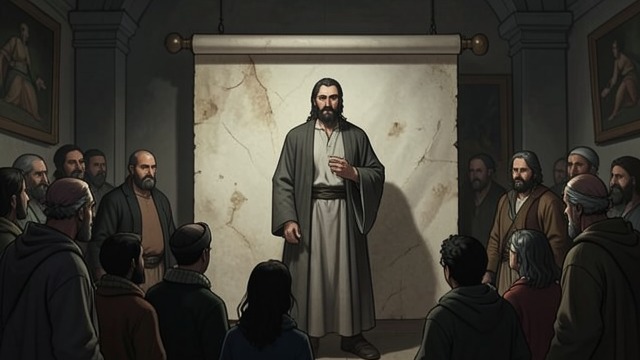
Authority Shapes Interpretation
A sage's shadow
Legge says commentators often felt constrained by the belief that Confucius authored the appendixes. To find fault in them could seem to challenge the sage's authority.
Reverence helped preserve the texts while limiting criticism.
Meaning built through commentary
At the same time, Legge credits Chinese commentators with producing valuable interpretations of the core text. The tradition is both an intellectual resource and a source of inherited assumptions.
His account begins from respect without automatic agreement.
Some Passages Resist Their Reputation

The Critic Encounters Excess
Uneven material
Legge praises some discussions of seasonal change and spiritual agency but calls other lists of symbolic associations trivial. He doubts that every passage came from one author.
The appendixes do not form an equally persuasive whole.
Criticism is not contempt
He argues that insisting on the sage's authorship of every passage can diminish Chinese literature by defending material that should be judged independently.
A careful reader can admire one section and reject another.
Foreign Speculation Draws a Rebuke

Imported Systems Are Tested
Mythology as a proposed key
Legge criticizes an interpretation that applies comparative mythology to the Changes. He finds that it adds material unsupported by the core text or Chinese commentary.
The method claims to reveal a hidden structure but may instead impose one.
A defense of careful evidence
Legge's objection is not that comparison is always useless. It is that comparisons must explain the actual words and historical setting rather than replace them.
The critic turns the same scrutiny on Western scholarship that he applies to inherited tradition.
Chinese Scholarship Remains Indispensable

Criticism Depends on Collaboration
The Daily Lectures help
Legge describes a marked Chinese copy whose earlier reader's notes reveal patient thought about difficult passages. He says this resource compensates for the absence of direct help from native scholars.
Another reader's labor becomes part of his own method.
Imperial debates provide depth
The great imperial edition gathers disagreements and judgments from many commentators. Legge treats the scholarship as substantial, even when he reaches different conclusions.
Critique depends on knowing the tradition it questions.
A Provisional Judgment Is Published

Respect and Independence Coexist
The translator takes responsibility
Legge publishes his interpretation while making his historical and linguistic choices visible. He does not claim that every difficult passage has been definitively resolved.
The reader can follow how a conclusion was reached.
A continuing conversation
The book's long commentary tradition remains relevant even where Legge disputes it. His translation adds another position to that history rather than replacing it.
The flow ends with criticism as an act of engagement, not a refusal of tradition.
Across the history of Chinese commentary
During Legge's reading of the appendixes
During Legge's review of nineteenth-century interpretations
During preparation of the final translation
1882
